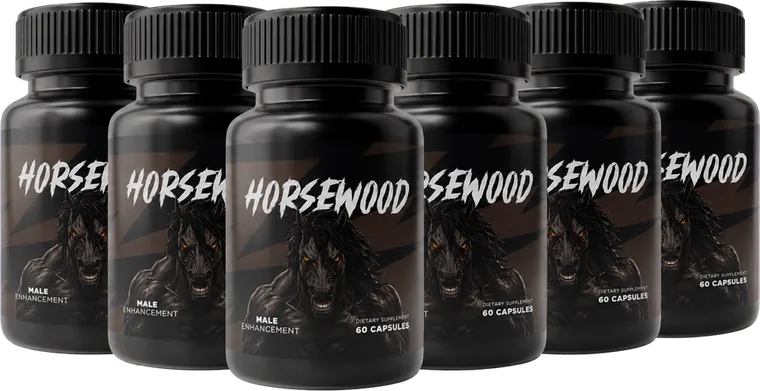
How the HorseWood ingredients are graded here
Three grades are used below. Human evidence means controlled trials in people exist for the ingredient, whatever the dose. Thin means the work is mostly animal or laboratory, with human data that is small, mixed or absent. Traditional means the case rests on centuries of use rather than on trials.
Grades describe the ingredient, not the HorseWood capsule. A plant can hold a good evidence grade and still be printed at an amount far below the studied intake, which is exactly what happens on most of this panel.
Human evidence: boron, tongkat ali, saw palmetto
| HorseWood entry | Printed | Studied range | Grade |
|---|---|---|---|
| Boron chelate | 20 mg chelate | 6 to 10 mg elemental | Human evidence |
| Tongkat ali 100:1 | 10 mg | 200 to 400 mg standardised | Human evidence |
| Saw palmetto | 20 mg | 320 mg | Human evidence |
Boron trials are small but consistent enough to be interesting: a week or two of supplementation raised free testosterone and lowered estradiol in men. Tongkat ali has the broadest record here, with work on fatigue, stress markers and hormone levels. Saw palmetto has been tested repeatedly for urinary symptoms, with results that range from useful to null depending on the trial.
In all three cases the HorseWood amount sits below the studied intake, and in the boron case the comparison cannot even be made properly, because the elemental content is not printed.
Thin evidence: horny goat weed and nettle leaf
Horny goat weed is the ingredient men expect the most from and the one with the least human support. Icariin does interesting things to enzymes in a dish and to blood flow in rodents. The human trials that would justify the reputation have not been run at scale.
Nettle leaf, at 20 mg, is graded thin here for a specific reason: the promising prostate work used nettle root. Judging the HorseWood leaf entry by root research would be the sort of shortcut this site exists to avoid, and the ingredient breakdown explains the plant part difference in more detail.
Prices, boxes and the 60 day guarantee are set by the seller and shown on the official HorseWood order page.
Check the current HorseWood priceTraditional only: wild yam and sarsaparilla
Wild yam and sarsaparilla are on the panel for heritage. Both have long records of traditional use, both contain saponins, and neither has controlled human evidence in men that would survive a sceptical read. Wild yam additionally carries the diosgenin myth, which is the most common false claim made about any ingredient in HorseWood.
That does not make them useless filler. It makes them ingredients whose case is cultural rather than clinical, and a page that pretends otherwise is not describing HorseWood, it is selling it.
What these grades cannot tell you
Three limits. First, ingredient research does not transfer to a finished product: nobody has run a trial on HorseWood itself, and no supplement in this category has. Second, dose matters more than the presence of a name, and this panel is modest on every line. Third, individual response varies enough that a good grade guarantees nothing for any one man.
Read the grades as a filter for expectations, not as a promise. If the expectation is a mild daily support product with an honest label, the evidence supports trying it. If the expectation is a clinical effect, the evidence does not, and the honest suitability list is the more useful page.
General information only, not medical advice. HorseWood is a dietary supplement and these statements have not been evaluated by the Food and Drug Administration. This product is not intended to diagnose, treat, cure or prevent any disease. Talk to your doctor before starting any supplement.
All 8 articles are listed on the HorseWood blog. For current pricing and the guarantee, see the official HorseWood order page.